Missed bin day. A plant that has seen better days. A repeat prescription that ran out on a Sunday. These failures rarely feel dramatic at the time. The thing simply didn't come to mind when it mattered, and by the time you remembered, the moment had gone.
Yet you probably remembered a dentist appointment booked three weeks earlier. Why? Because it was a single event with a date attached, not something that quietly comes round again every Tuesday.
The problem is rarely your memory. It's that two different kinds of remembering are sharing one list, and they need opposite things. Recurring tasks need to be visible all the time. One-off tasks need to be captured fast and then cleared away. Mix them together and the repeat items either clutter the page forever or get ticked off and lost, while the one-offs sink out of sight.
Why a single list keeps letting you down
Write "change the water filter" on your to-do list. Tick it off on Saturday. Unless something brings it back, that item has now disappeared from your life for the next six months. Alternatively, you never tick it off, it sits there for weeks, and it becomes wallpaper — a line your eyes skip over completely.
Both outcomes are the same failure wearing different clothes. A list that holds daily errands and monthly maintenance in the same column can't do either job well. The fix isn't a cleverer app. It's separating the two by behaviour.
One list for patterns. One list for one-offs.
The split: paper for patterns, phone for one-offs
Your recurring list belongs on paper
Recurring items need to be seen without effort. A card on the fridge or pinned beside your desk does that in a way a phone rarely manages, because you don't have to unlock anything, open an app, or dismiss a notification to read it. You glance, and the whole week is there at once.
There is a second benefit. Writing a repeating task down once means you stop re-deciding it every week. The card decides for you.
Your one-off list belongs on your phone
One-off tasks arrive in awkward places — in a queue, mid-conversation, halfway through a meeting. You need to catch them in seconds. A phone does that better than anything stuck to a cupboard. It also handles the occasional timed nudge for things like "book the MOT before the end of the month".
Setting up the recurring card
Take one sheet of A5 paper or a blank index card. Put it somewhere you already look several times a day: the fridge door, the inside of a kitchen cupboard, the wall beside your mirror.
- Divide it into bands by rhythm. Daily, weekly, monthly, and seasonal is enough for most households.
- Write the action, not the explanation. "Bins out", not "remember bins because collection moved to Wednesday".
- Cap the daily band at three or four items. If everything is daily, nothing is.
- Use pencil or a wipe-clean pen. The card should change as your life does.
A working card might look like this:
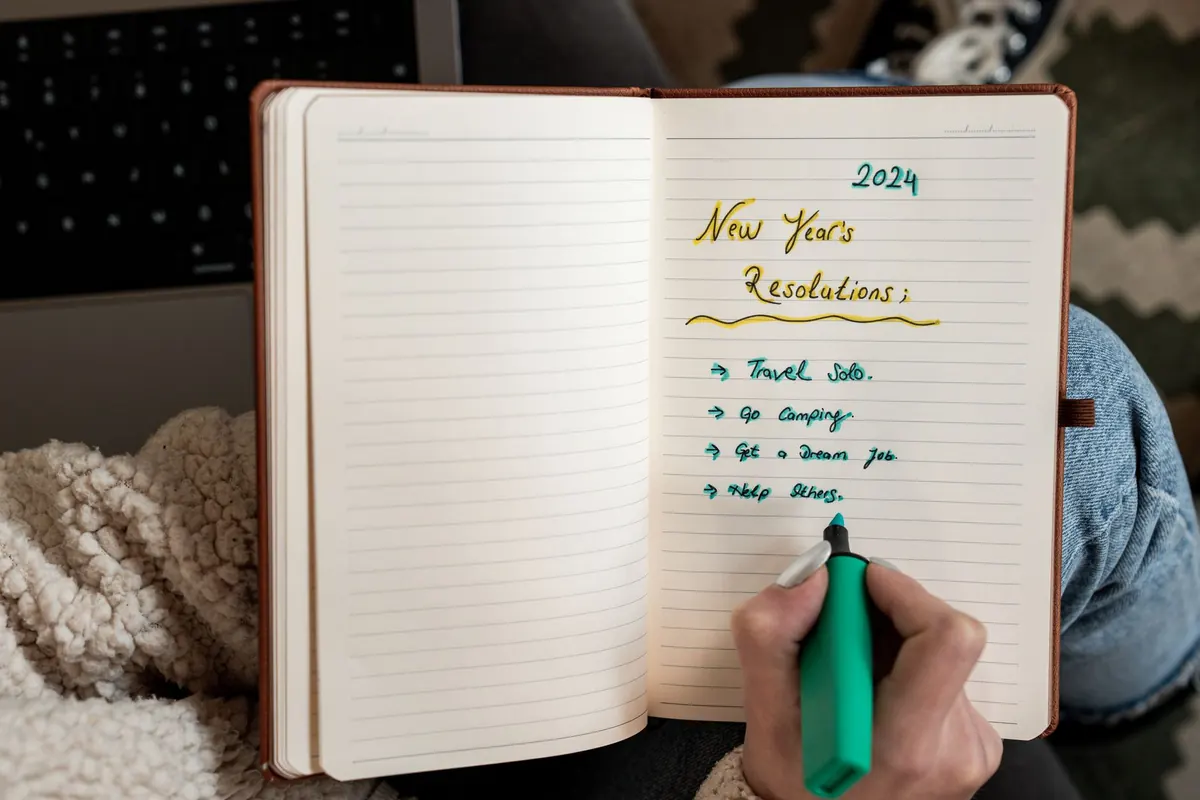
- Daily: vitamins with breakfast; ten-minute tidy before bed
- Weekly: Sunday — plan the week's meals; Wednesday evening — bins out; Friday — check the bank account
- Monthly: 1st — pay the credit card; change the water filter; back up the laptop
- Seasonal: smoke alarm batteries when the clocks change; book the boiler service in autumn
The rule that keeps the card honest: if it repeats, it goes on the card; if it doesn't, it never does.
Setting up the one-off list
Choose one place and stick to it — the notes app you already open, or a reminders app, or even a single page in a pocket notebook, as long as it's with you. One list, one name. The moment you have two lists, you'll forget which one you wrote something on, and then you'll stop trusting both.
Capture in three or four words. "Book dentist". "Email Sam re invoice". "Order birthday card". Detail can come later; the point is that the thought leaves your head before it evaporates.
Add a date only when the task genuinely has one. Most one-offs don't need a deadline attached, and an over-dated list turns into a wall of red numbers you learn to ignore. Then review the list once a day — morning or evening, whichever fits — and do a longer sweep on Fridays, when you delete anything you've been avoiding for a fortnight and admit you're never going to do it.
The two-minute daily handshake
This is where the two lists meet, and it's the part that makes the system work. It takes about two minutes, twice a day.
In the morning: glance at the card and note which recurring items fall today. Then open the phone list and pick the two or three one-off tasks that genuinely matter. Don't attempt to clear the whole list; that's how people abandon lists.
In the evening: tick off what you did on the card. Anything you missed twice in a row is usually in the wrong band — move it from daily to weekly, or scrap it. Then add anything new that arrived during the day, straight to the phone.
The card is your standing truth. The phone list is the moving part. Neither one is trying to do the other's job.
Common slips and quick fixes
- The card has become an essay. Cut it back to what you'd genuinely notice going wrong. Ten lines maximum.
- One-offs keep creeping onto the card. Move them. The card is for repeats only, or it stops being scannable.
- You're relying on notifications for recurring jobs. They get swiped away and forgotten. Put the pattern on paper and let the phone handle single events.
- You're keeping it in your head "just for today". That's the thought to catch. The moment it appears, it goes on the card or the phone.
- You keep forgetting to look at the card. Move it. Beside the kettle beats a tidy noticeboard you never pass.
If you're managing medication, follow the schedule your GP or pharmacist has given you rather than a homemade card, and use their reminder tools alongside it.
Start tonight
Set aside fifteen minutes. Write the recurring card, stick it where you'll see it tomorrow morning, and add three one-offs to your phone list. That's the whole setup.
Give it two weeks before you judge it. If something repeats and you keep missing it, it earned a place on the card. If a one-off sits there for a month, either do it this week or delete it without guilt.
The aim isn't a beautiful system. It's that the bins go out, the filter gets changed, and the passport renewal doesn't become an emergency.
Photo: jessica45 / Pixabay